

Transforming Industries with AI Uses in Industries
Artificial intelligence (AI) is no longer a futuristic concept; it is a present-day reality reshaping how industries operate. From oil and gas to mining and manufacturing, AI is revolutionizing processes, enhancing efficiency, and driving sustainable growth. As someone deeply involved in this transformation, I have witnessed firsthand how AI uses in industries unlock new potential and solve complex challenges.
In this post, I will explore how AI is transforming key industrial sectors, provide specific examples, and offer actionable insights to help you leverage AI for operational excellence. Let’s dive into the world of AI applications and discover how they are reshaping the industrial landscape.
The Impact of AI Uses in Industries
AI technologies are enabling industries to optimize operations, reduce costs, and improve safety. The ability to analyze vast amounts of data quickly and accurately is a game-changer. For example, predictive maintenance powered by AI helps identify equipment failures before they happen, minimizing downtime and saving millions in repair costs.
In manufacturing, AI-driven automation streamlines production lines, ensuring consistent quality and faster turnaround times. Similarly, in oil and gas, AI algorithms analyze seismic data to improve exploration accuracy and reduce environmental risks.
Here are some key benefits of AI uses in industries:
Enhanced decision-making through real-time data analysis
Improved operational efficiency by automating routine tasks
Increased safety with AI-powered monitoring and hazard detection
Cost reduction via predictive maintenance and optimized resource use
Sustainability through smarter energy management and waste reduction
These benefits are not theoretical; they are actively transforming how industrial leaders approach their business challenges.

AI Uses in Industries: Practical Applications
Let’s look at some practical AI applications in oil and gas, mining, and manufacturing that demonstrate the tangible value AI brings.
Oil and Gas
In oil and gas, AI is revolutionizing exploration, drilling, and production. Machine learning models analyze geological data to identify promising drilling sites with higher accuracy. This reduces the risk of dry wells and lowers exploration costs.
During drilling, AI-powered sensors monitor equipment health and drilling parameters in real time. This enables predictive maintenance and prevents costly failures. Additionally, AI optimizes production by adjusting parameters based on reservoir behavior, maximizing output while minimizing environmental impact.
Mining
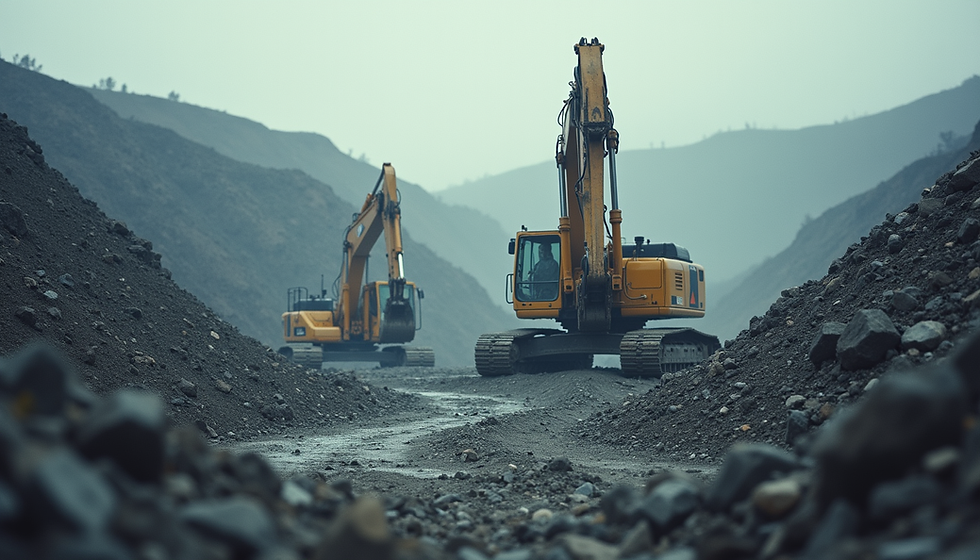
Mining operations benefit from AI through improved safety and efficiency. AI systems analyze sensor data to detect hazardous conditions such as gas leaks or unstable ground. This early warning system protects workers and reduces accidents.
AI also optimizes resource extraction by analyzing geological data to guide mining operations. Autonomous vehicles and drones equipped with AI navigate mines, perform inspections, and transport materials, reducing human exposure to dangerous environments.
Manufacturing
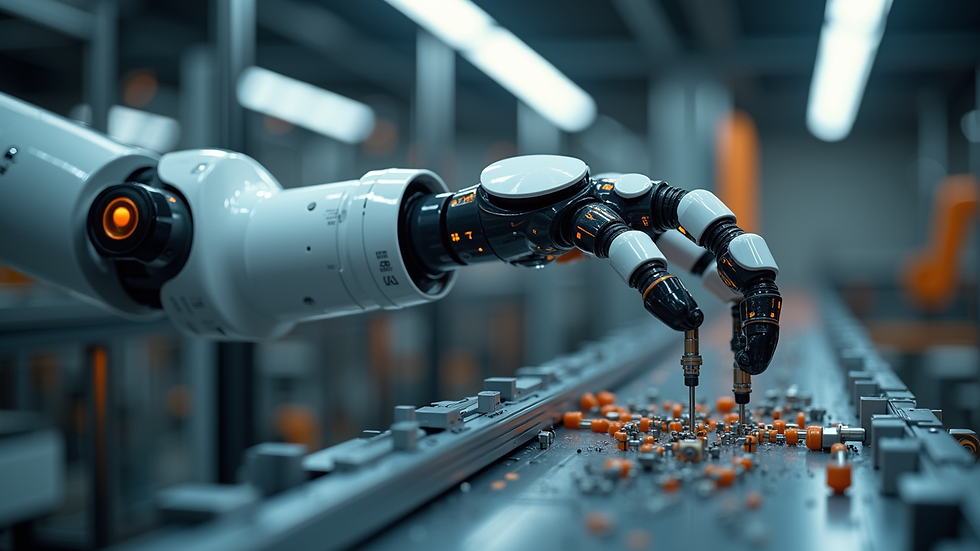
Manufacturing is undergoing a digital transformation with AI at its core. AI-powered quality control systems use computer vision to detect defects on production lines instantly. This reduces waste and ensures product consistency.
Robotic process automation (RPA) handles repetitive tasks such as inventory management and order processing, freeing human workers for higher-value activities. AI-driven demand forecasting helps manufacturers optimize inventory levels and reduce stockouts or overproduction.
Leveraging AI for Strategic Advantage
To fully harness AI’s potential, industrial leaders must adopt a strategic approach. Here are some recommendations to guide your AI journey:
Identify high-impact use cases: Focus on areas where AI can deliver measurable improvements, such as predictive maintenance or quality control.
Invest in data infrastructure: Reliable, clean data is the foundation of effective AI. Ensure your data collection and storage systems are robust.
Build cross-functional teams: Combine domain expertise with AI skills to develop practical solutions tailored to your operations.
Start small, scale fast: Pilot AI projects on a manageable scale, learn from results, and expand successful initiatives.
Prioritize change management: Engage employees early, provide training, and foster a culture open to innovation.
By following these steps, you can transform complex data challenges into strategic opportunities for operational excellence and sustainable growth.
The Future of AI in Industrial Sectors
The evolution of AI technologies promises even greater impact in the coming years. Advances in edge computing will enable real-time AI processing directly on industrial equipment, reducing latency and enhancing responsiveness.
Integration of AI with the Internet of Things (IoT) will create smarter, interconnected systems that optimize entire supply chains. Natural language processing (NLP) will improve human-machine interaction, making AI tools more accessible to frontline workers.
Moreover, AI will play a critical role in achieving sustainability goals. By optimizing energy consumption and minimizing waste, AI helps industries reduce their environmental footprint while maintaining profitability.
As these trends unfold, staying ahead requires continuous learning and adaptation. Embracing AI is no longer optional but essential for industrial leaders aiming to thrive in a competitive landscape.
Embracing AI as a Catalyst for Growth
The transformative power of AI uses in industries is undeniable. By integrating AI into core operations, industrial leaders can unlock new efficiencies, enhance safety, and drive sustainable growth. The journey may be complex, but the rewards are substantial.
I encourage you to explore how ai applications in industry can address your unique challenges and position your organization for future success. With the right strategy and commitment, AI will be your most valuable partner in navigating the evolving industrial landscape.
Together, we can turn data into actionable insights and transform industries for the better.


Comments